Across the United States, 76% of households that added rooftop solar saw their annual energy bills drop, with median bill savings of about $1,987 each year, which is a powerful reminder of how much monthly costs can shift when you change how your home uses electricity.
Key Takeaways
| Question | Short Answer |
|---|---|
| What are "solar bill savings" for homeowners? | Solar bill savings are the reduction in your monthly electric bill after your home starts producing its own power from solar. Our Free Solar Savings Report focuses on helping Oregon homeowners understand these potential reductions. |
| Can solar replace my entire electric bill? | Some homes offset most of their usage with solar, but many still have a smaller bill for remaining energy use and fixed charges. The exact balance depends on your roof, sun exposure, and energy habits. |
| What is "bill redirection" in solar? | Bill redirection means shifting part of what you already pay for electricity toward a more predictable, often fixed-rate energy option tied to solar, instead of only paying rising variable rates. |
| How do solar savings work in Oregon specifically? | Oregon households often see savings shaped by local sunlight, seasonal usage, and state-level programs. Our home energy reports for Oregon homeowners review these regional factors in detail. |
| Are solar bill savings guaranteed? | No. As outlined in our Terms & Conditions, we do not guarantee that your home will qualify or that you will see specific financial results. |
| What information do I share to explore solar savings? | Our Privacy Policy explains that we collect basic contact and home information to connect you with solar professionals and prepare an educational solar savings report. |
| Is there a cost to request an initial solar savings report? | On SolarBillReport.com, Oregon homeowners can request a home energy report at no upfront cost, with no obligation and no commitment required. |
1. What Solar Bill Savings Actually Mean For Your Monthly Budget
Solar bill savings describe how much your monthly electric bill may go down once your home starts generating some of its own power from solar panels. Instead of only paying for electricity traveling from distant power plants, part of your energy comes directly from your roof.
For many households, savings show up as a lower bill from the utility plus, in some cases, a separate, more predictable solar-related payment. When people talk about "solar paying for itself," they are usually describing the long-term difference between what they would have paid for grid power and what they actually pay with solar in place.
How The Traditional Electric Bill Adds Up
Before looking at savings, it helps to understand what you pay for today. A typical bill includes charges for generating electricity, moving it over long transmission lines, stepping it down at local substations, and delivering it to your home.
Each of these steps has costs, and they tend to rise over time. When you produce part of your power at home, you rely less on this full chain, which is where potential solar bill savings come from.

2. How Solar Changes The Journey Of Electricity To Your Home
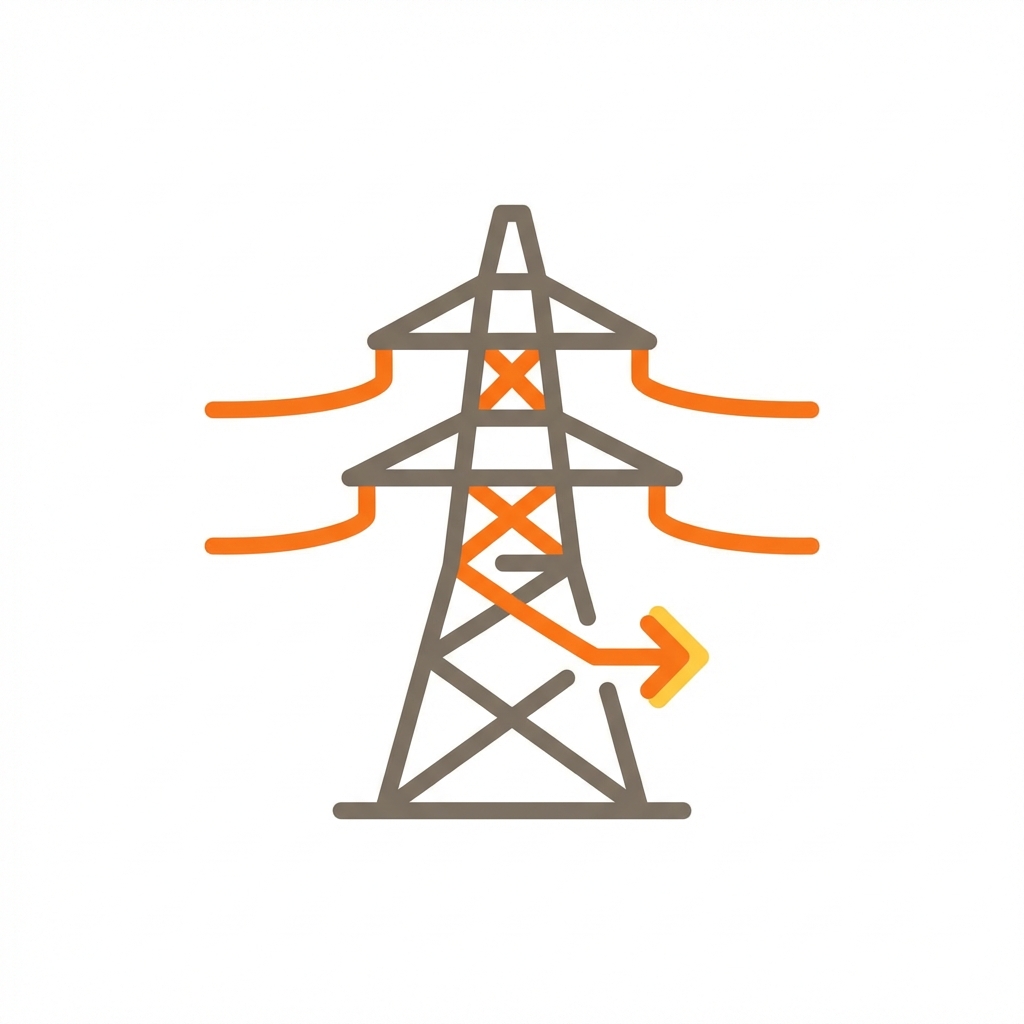
Electricity usually starts at a power plant, travels across high-voltage lines, passes through regional substations, then moves along local lines into your neighborhood and finally into your home. Every mile of that journey adds hardware, maintenance, and fuel costs that show up on your bill.
With solar panels on your roof, part of that journey disappears for the energy you generate yourself. When the sun is shining, your home can use this power first, then draw from the grid only when needed.
From Central Generation To Local Generation
Traditional power is created far away, which is efficient at large scale but sensitive to fuel prices and infrastructure costs. Rooftop solar, by contrast, is local generation that reduces how much energy must travel long distances for your specific home.
This shift does not remove all utility charges, because you still rely on the grid at night and during low-sun periods, but it can lower the number of kilowatt-hours you buy each month.

3. Understanding "Bill Redirection" And Fixed-Rate Energy Options
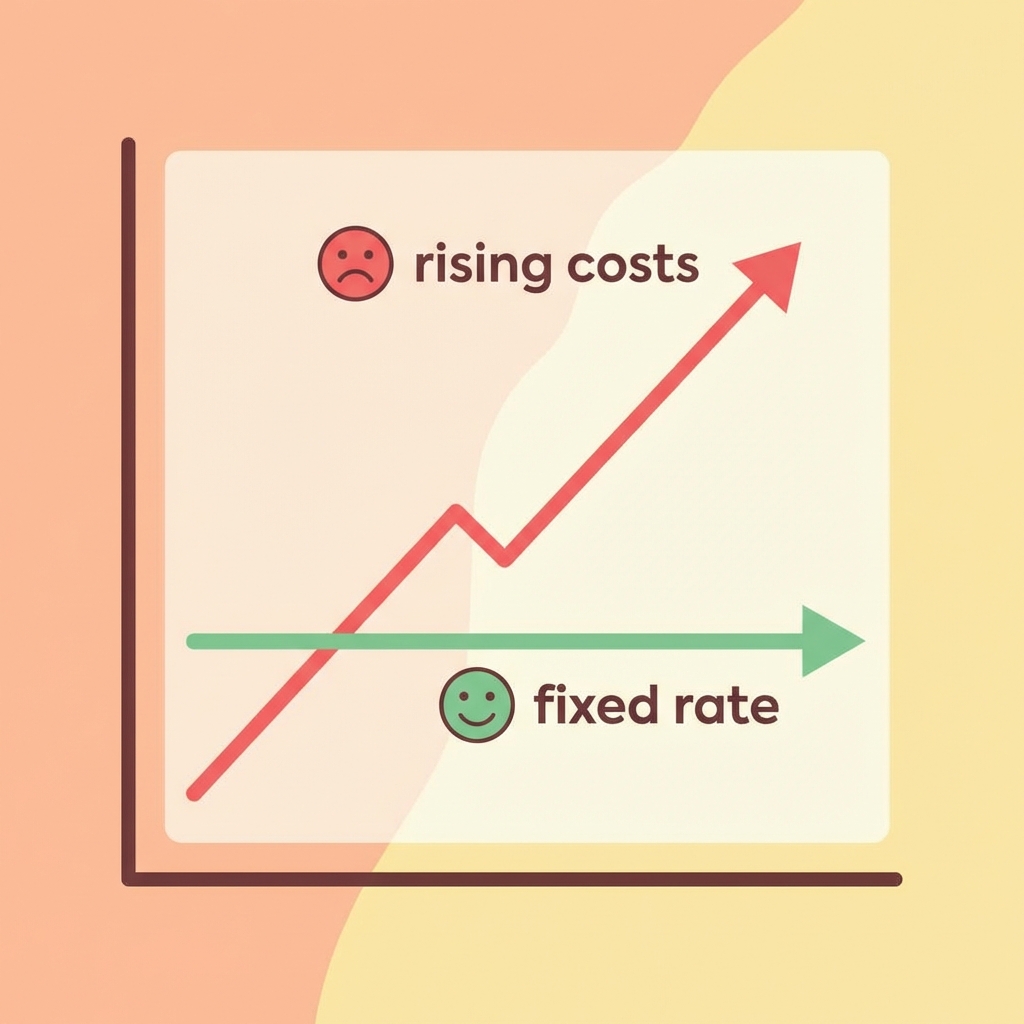
On SolarBillReport.com we talk about "bill redirection" as a simple way to describe how payments can change when you explore solar. Instead of only sending money to your traditional energy provider each month, some of that payment can be redirected toward a more stable, predictable cost tied to solar.
This concept does not remove your electric bill, and it is not a guarantee of savings. It is a way to compare what you pay today with a different structure that may offer more predictability and potential long-term reductions.
Why Predictability Matters For Homeowners
Many Oregon homeowners tell us that rising energy costs make budgeting harder. Even if they are comfortable with their current bill, they are concerned about what it may look like in 10 or 20 years.
A fixed-rate energy option connected to solar cannot control every factor, but it can reduce exposure to some future rate increases. A solar savings report helps illustrate these trade-offs in plain numbers for your specific home.

4. How Much Do Households Typically Save On Their Electric Bills With Solar?
Across a large sample of U.S. homes, researchers found that 76% of households saw energy-burden reductions after adding rooftop solar, with a median bill reduction of about $1,987 per year. That figure reflects direct bill changes before accounting for financing or other off-bill effects.
Another analysis that included financing and related costs found that net savings, after those factors, average around $691 annually for the median home. In other words, even when you account for solar-related expenses, many households still report meaningful long-term savings.
Energy Burden Before And After Solar
Energy burden is the share of your income that goes toward energy costs. One study showed that median energy burden dropped from 3.3% of income to 1.3% after solar when looking only at bill savings.
When researchers included off-bill impacts, such as loan payments or equipment costs, the median energy burden settled around 2.6%. That is still a clear improvement for many households, even when they take on some form of solar-related payment.

Did You Know?
Direct bill savings show the median energy burden dropping from 3.3% of income to 1.3% after solar, and when off-bill financing impacts are included, the median energy burden is still about 2.6%.
5. Solar Bill Savings For Different Income Levels And Regions
Solar bill savings are not the same for every household. Income, region, and energy use patterns all play a role in how the numbers look over time.
For example, income-stratified analysis from Berkeley Lab shows that low-income adopters see median annual bill savings of about $660, moderate-income homes see around $674, and higher income homes see about $711. While the dollar amounts are similar, the impact on each household's budget can feel very different.
Regional Differences In Savings
Location matters as well. One study found that energy burden reductions across adopters shifted from 3.1% to 2.4% in the West, 4.1% to 3.4% in the Northeast, and 2.8% to 2.6% in the Midwest, while some parts of the South saw a slight increase due to financing structures and usage patterns.
For Oregon homeowners, sunlight is moderate, and cooling loads are often lower than in hotter regions. This means savings tend to be driven more by year-round electricity use, heating choices, and local program details than by extreme summer air-conditioning loads.
6. Long-Term Solar Bill Savings: 10, 20, And 30-Year Views
Solar is a long-term decision, so it helps to look beyond the first year. EnergySage, which tracks national residential solar data, reports that a typical homeowner may see around $57,000 in total savings over 25 years compared with staying fully on grid power.
Another analysis that extends the horizon to 30 years estimates more than $52,000 in savings, with a break-even point around year 14, assuming electricity prices continue to rise. These figures are national estimates, not guarantees, but they show how solar bill savings add up gradually over time.
Rising Value Of Solar Over Time
Researchers also project that the value of solar could increase as climate patterns shift. One study suggests that the value of solar for U.S. households could rise by up to 19% by the end of the century as cooling demand grows in warmer conditions.
For homeowners, this does not mean a promise of specific results, but it does highlight that solar may play a larger role in managing future electricity needs, especially during hotter summers.


7. How Oregon Homeowners Can Think About Solar Bill Savings
Oregon has its own climate, building styles, and energy-use habits, so solar bill savings here look different than in hotter or sunnier states. Many Oregon homes use electricity for lighting, appliances, and sometimes heating, with less reliance on central air conditioning than in the South.
That means solar savings in Oregon often come from steady year-round electricity use rather than just summer peaks. Roof pitch, shading from tall trees, and local program details also play a key role in how much solar can offset your bill.
Home Energy Reports For Oregon Roofs
On our site, we focus specifically on Oregon homeowners because local conditions matter so much. A home energy report typically reviews roof condition, sun exposure, and your recent electric bills to build a clear picture of what options may be available.
This is an educational process, not a commitment. Our goal is to help you see whether solar bill savings are realistic for your specific home and usage, before you decide on any next steps.


8. Factors That Shape Your Personal Solar Bill Savings
Every home is different, so two neighbors with similar roofs might still see different solar bill savings. Usage patterns, number of occupants, work-from-home habits, and appliance efficiency all play a role.
Financing structure also matters. Some households purchase solar systems, others use third-party arrangements, and some pair solar with batteries, which can change both costs and benefits.
How System Size And Financing Vary By Income
Berkeley Lab data from 2023 shows that households earning under $50,000 had a median system size of 6.4 kW, with about 33% using third-party ownership and 6% including storage. Homes earning over $200,000 had larger median systems around 8 kW, with 18% third-party and 14% adding batteries.
These patterns suggest that higher income households often choose bigger systems and more storage, which can raise both up-front costs and long-term savings potential. Lower income homes tend to choose slightly smaller, more targeted systems that still reduce energy burden meaningfully.

Did You Know?
Income-stratified savings show low-income solar adopters see median annual bill reductions of about $660, moderate-income around $674, and higher income around $711, highlighting that solar bill savings can benefit a wide range of households.
9. The Role Of Solar Prices, Batteries, And Future Energy Costs
Solar equipment prices help set the stage for how quickly solar bill savings add up. EnergySage reported record-low residential solar prices in 2024, around $2.50 per watt on average, with storage around $999 per kWh.
Battery attachment reached roughly 45% of projects, which shows that many households now see value in storing some of their solar energy. Batteries do not always increase savings directly, but they can help manage when you draw from the grid and offer resilience during outages.
Why Future Electricity Prices Matter
Long-term savings estimates usually assume that electricity prices continue to rise. If rates stay flat, solar still provides predictable costs, but the gap between "with solar" and "without solar" may be smaller.
As a homeowner, it can be useful to review multiple scenarios. A thorough solar savings report often compares outcomes under different future price paths, so you can see how sensitive your savings are to rate changes.
10. How A Free Solar Savings Report Helps Clarify Your Numbers
Many homeowners feel unsure where to start when trying to estimate solar bill savings. National averages are helpful, but your roof, your bills, and your goals are unique.
A structured solar savings report brings all of this together. It typically includes your recent electricity use, roof orientation and shading, system size estimates, and side-by-side bill projections, so you can see what changes and what stays the same.
What Our Reports Aim To Provide
On SolarBillReport.com, we focus on providing Oregon homeowners with educational, personalized reports at no upfront cost. The goal is not to pressure you into a decision, but to give you enough clear information to decide if solar bill savings fit your situation.
Our Privacy Policy and Terms & Conditions outline how we handle your information, what you can expect from the process, and what we do not guarantee, so you can move forward at your own pace.
Conclusion
Solar bill savings are not a one-size-fits-all number, but the research is clear that many households see meaningful reductions in their electric bills when they add rooftop solar. For some, these savings are modest but steady, while for others they become a major part of long-term household budgeting.
As Oregon homeowners, the most helpful step is often to replace guesswork with tailored information. By reviewing your roof, energy use, and local conditions through a clear solar savings report, you can decide, at your own pace, whether solar fits your home, your finances, and your long-term plans for energy costs.